
Disasters trigger eating disorders—and not just for the reasons you think
What I wish everyone knew about energy deficit

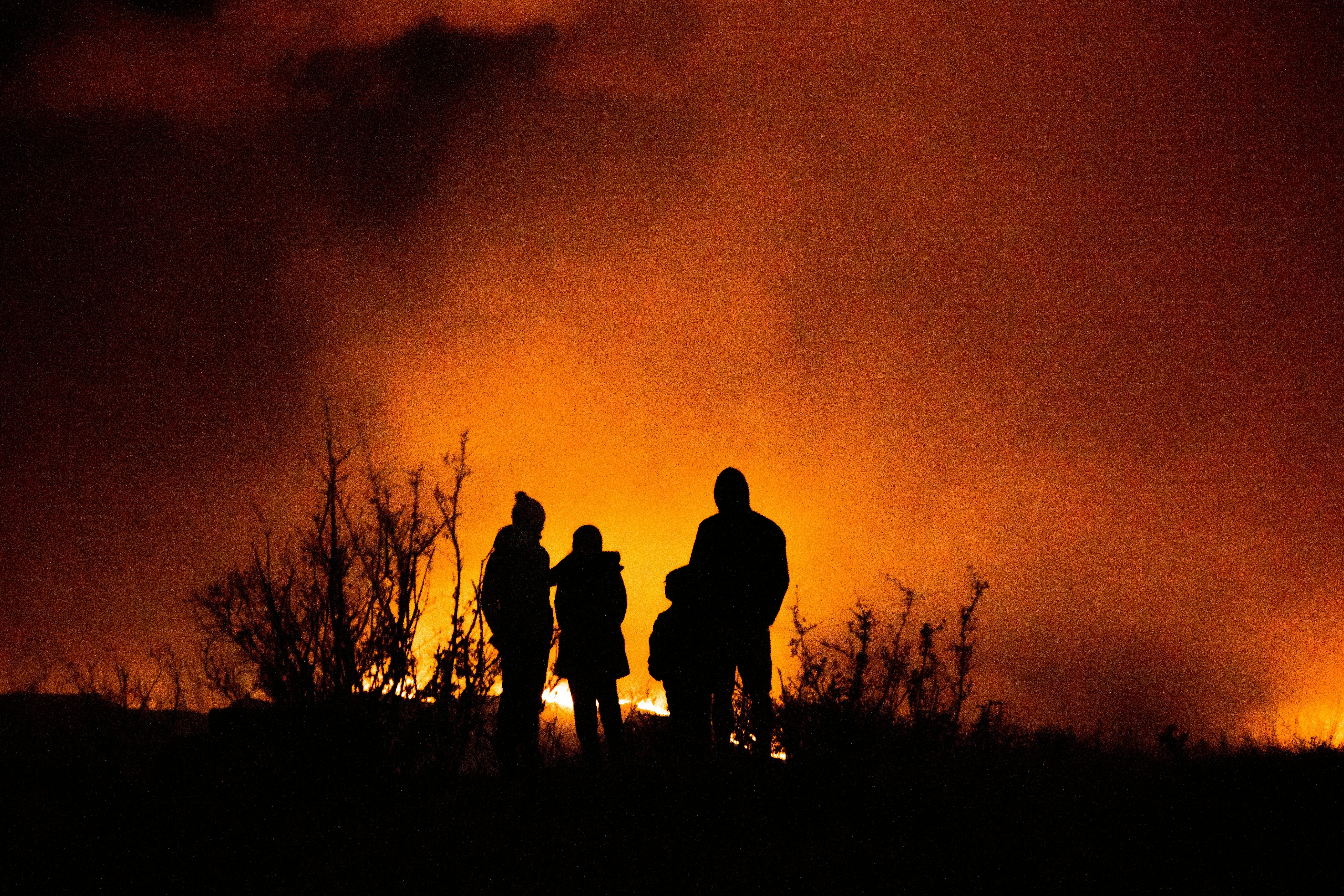
As we mark the one-year anniversary of the LA fires, I’ve been watching from afar as an entirely man-made disaster unfolds in Minneapolis.
One thing I can do is to raise awareness about what can happen to kids who’ve lived through a traumatic event like this. So this week I’m sharing a piece from 2025 that explores a risk factor for eating disorders that not enough parents know about: stress-induced energy deficit.
As the fires and winds finally died down in LA, local news coverage turned to topics like post-traumatic stress and the lack of access to mental health care. And I kept thinking about all the new cases of eating disorders that will emerge in the aftermath of this disaster.
Perhaps you’re nodding your head and thinking, Of course—that makes sense. A traumatic event where you lose everything? It fits perfectly into a common conceptualization of eating disorders: that trauma is the root cause and that an eating disorder, especially anorexia, is all about trying to regain control.
This familiar story dominates the popular understanding of eating disorders and forms the foundation of many therapeutic approaches. This framework has been validating and recovery-supporting for many people.
There’s a common pathway to eating disorders that may look to the outside world exactly like the familiar narrative about trauma and control. But a crucial early part of the story is too often ignored. And it starts with energy deficit.
Energy deficit—often referred to by its more cumbersome scientific term “negative energy balance”—happens when you aren’t taking in enough energy (calories) for what your body needs. And the resulting weight loss—or lack of expected growth in children—can set the wheels in motion for an eating disorder.
Most people know that eating disorders can lead to weight loss; few know that weight loss can lead to eating disorders.
If you’re thinking, wait, isn’t caloric deficit the goal of every weight-loss diet? Yes. And that’s one reason why dieting is such a common precursor to an eating disorder.1
But dieting (by any name) isn’t the only way someone can get into an energy deficit. It’s why adolescents can develop symptoms of anorexia after oral surgery, an increase in sports training, or a bout of Norovirus.2
Growing children, who have high energy needs, are especially at risk for accidental caloric deficit. Even if they’re done growing in height, a teen is still adding bone density, muscle, and other tissue as they develop into their adult body. And if that young person is an athlete or active in other ways, their energy needs are even higher.
So what does energy deficit have to do with wildfires?
When you’re in crisis, it’s normal to lose your appetite. Even after you’ve fled a fire or other immediate physical threat, this devastating disruption continues to wreak havoc on your body and mind.
The fight-or-flight response helps keep us safe in the short term, but sometimes we get stuck there. And in the case of these fires, it made sense to stay vigilant for a long time.
Remember that these fires burned for weeks, with new ones popping up almost daily. A huge portion of the nearly 10 million people here in Los Angeles County were on edge, vibrating with stomach-churning adrenaline and worry as our phones buzzed with alerts, including some unnerving false alarms. We didn’t know when it would end.
People displaced from their homes have been in lodging limbo, cobbling together housing any way they can while processing an unfathomable amount of loss.
Many whose homes survived have not been able to return because of the lengthy restoration and decontamination process. When winter storms brought much-needed rain, new threats emerged in the form of flooding and mudslides. And there are the ongoing unknowns around how, when, and even whether to rebuild.
In times like this, typical appetite signals may just stop firing. Even if your hunger cues are starting to return, you might be missing out on the go-to nutritional patterns you had before. Losing your kitchen, your usual grocery store, your school lunches, your familiar home-cooked meals—these losses are stressful in and of themselves and are additional barriers to getting enough to eat.
In other words, it’s pretty easy to under-eat in response to a disaster like this.
Diet culture loves to fear-monger about so-called stress eating, but we rarely hear about the potential dangers of losing your appetite due to stress.
What’s more, diet culture increases the risk of falling into and getting stuck in energy deficit even if you aren’t dieting.
When life is in chaos and you don’t feel like eating, it might be tempting to live by diet culture’s rule to “eat only when you’re hungry.” If you can’t access hunger cues, this restrictive and oversimplified guidance is dangerous.3
And if you do start to have an appetite again, the foods that sound best are often those most demonized by diet culture. Eating in crisis often looks like grabbing convenient comfort food because we need comfort in a crisis. It’s why we bring ready-to-reheat casseroles to people who are grieving or recovering from surgery. It’s why people started making sourdough bread at the start of the pandemic. It’s why I brought cookies when we evacuated.
Teens and adults might have a nostalgic hankering for their favorites from childhood. Boxed mac-n-cheese, buttered toast, “kid” cereal, fried foods, crunchy snacks—the very things influencers are telling us to be afraid of in their angry TikToks. If someone is scared to get their energy needs met with these comforting, palatable foods, it’s even harder to reverse the energy deficit and return to their prior eating patterns.
What makes the post-fire food landscape even trickier is the way unscrupulous influencers are preying on people’s health anxieties. Within days of the fires starting, Angelenos were bombarded with posts from wellness grifters selling unregulated detox protocols and supplements. A teen who’s been exposed to poor air quality might rightly assume they should alter their diet to support “lung function” or “reduce inflammation,” especially if their parents are also changing their food and taking tinctures.
What most families don’t know, though—perhaps especially in the birthplace of the green smoothie—is that “clean eating” and even “healthy eating” (as narrowly defined by diet culture) are themselves risk factors for developing an eating disorder. This kind of eating can contribute to energy deficit while also creating fears of specific ingredients and rigid rules about food.
So let’s consider what it might be like for a young person—of any gender—in Los Angeles who was displaced by the fires and had a hard time eating enough.
They could start losing weight, which may not be noticeable to anyone at first, especially family members who see them every day. But that weight loss itself could further dampen their appetite and mood.
If this young person wasn’t extremely thin to begin with, they will inevitably receive compliments on their appearance. They’re suddenly hyper aware of their body size and how other people respond to it. And the message they’re getting is clear: you looked bad before and so much better—and “healthier”—now.
If intense hunger cues do come roaring back, as we would expect after a period of under-eating—watch any food reward episode of the show “Survivor” if you need an example—an adolescent may worry they’re bingeing and actively try to restrict their intake. Cue a restrict-binge cycle—or a restrict-binge-purge cycle.4
In our anti-fat world, this young person might understandably fear the loss of this newfound praise and attention for having a smaller body.
Maybe he’s getting congratulated by his cross-country coach for “looking lean.”
Maybe they’re feeling accepted by people (including their own family) in new ways for the first time.
Maybe she’s thrilled to fit into clothes at Brandy Melville.
It’s the rare teen who wouldn’t at least consider doubling down on fighting their appetite signals or increasing their energy output. Soon they might find themselves not only restricting food and exercising compulsively but also avoiding meals with their family, tracking their steps and calories, and/or purging—all while obsessively scrutinizing their body. You can imagine what the social media algorithm might be serving up if they’ve spent any time looking at anti-inflammatory recipes or fitness influencers.
Once an eating disorder is running the show, none of these behaviors feel like a choice at all.
In the future, if this young person ends up getting diagnosed with an eating disorder, the outside world will recognize a familiar story: Oh, it must be trauma from the fire, and they just wanted a sense of control.
In treatment, they will likely encounter that framework in therapy sessions, support groups, and in books or online resources. Their parents may get this message as well and be told “it’s not about the food” and to back off and be patient while the therapy does its work.
If this approach helps someone heal, that is wonderful. The problem comes when a single narrative silences other experiences and interferes with recovery.
Too often people spend months or even years in therapy to address a suspected underlying cause. If they aren’t simultaneously getting support with adequate nutritional rehabilitation, it’s likely they are getting sicker along the way.
Without the support to fully re-nourish themselves and understand the dangers of energy deficit and weight suppression, their risk of relapse may be higher, too.
The it’s-all-about-control assumptions also harm people with an eating disorder by sending some dangerous unintended messages: that you are to blame for “choosing” the “wrong” coping mechanism; that if you can’t fully heal from a past trauma you’ll never be able to heal your relationship with food; that it’s “not about the food” and therefore nutritional rehabilitation is secondary; that neurodivergence or physiological conditions aren’t important factors to consider; that living in diet culture, which often sounds exactly like an eating disorder, doesn’t have a role to play.
So if this popular trauma-and-control conception about eating disorders isn’t always true or helpful, why does it have such a hold on us?
The one-story-fits-all narrative persists, at least in part, because it’s oddly comforting.
That’s my working theory, anyway.
Eating disorders can be devastating and even life-threatening, so we find solace in the belief there is always some deeper meaning, some complex social-emotional arc that must play itself out in three acts, some invisible psychic wound that’s manifesting physically.
I mean, it makes sense.
To think that simply being able to eat enough could sometimes prevent or reverse this illness feels wrong and almost offensive. It’s just too ordinary, too mundane, too straightforward.
That an eating disorder might have to do, actually, with eating, seems to fall short of the level of gravitas of a mental illness that can be fatal, an illness that can completely take over someone’s life, with pain and helplessness rippling out to friends, family and partners.
We want this level of suffering to matter.
We want it to mean something.
But what if prioritizing this particular meaning above others is unintentionally contributing to some of that suffering?
Energy deficit isn’t the only way an eating disorder can start. And re-nourishing the body—while a necessary foundation—isn’t usually sufficient for someone to feel free of their illness, especially in diet culture.
Therapy and other supports are often essential for healing and for building a robust recovery.
But ignoring the role of biological energy needs means people remain sick longer than necessary.
Survivors of the LA fires experienced one perfect storm and are now weathering another dangerous set of conditions threatening their mental health.
I hope everyone gets the support and nourishment they need. And I hope I’m wrong about an impending tsunami of new eating disorders. Even if it turns out I’m sounding a false alarm, I hope that learning about energy deficit helps families everywhere stay alert to warning signs that could avert disaster.
Worried about your own kid?
If you’re wondering if your child may be showing signs of an eating disorder, I encourage you to get help as soon as possible.
It’s scary, I know.
But you don’t have to go it alone.
Nonprofits like FEAST and the National Alliance for Eating Disorders provide wonderful resources for caregivers.
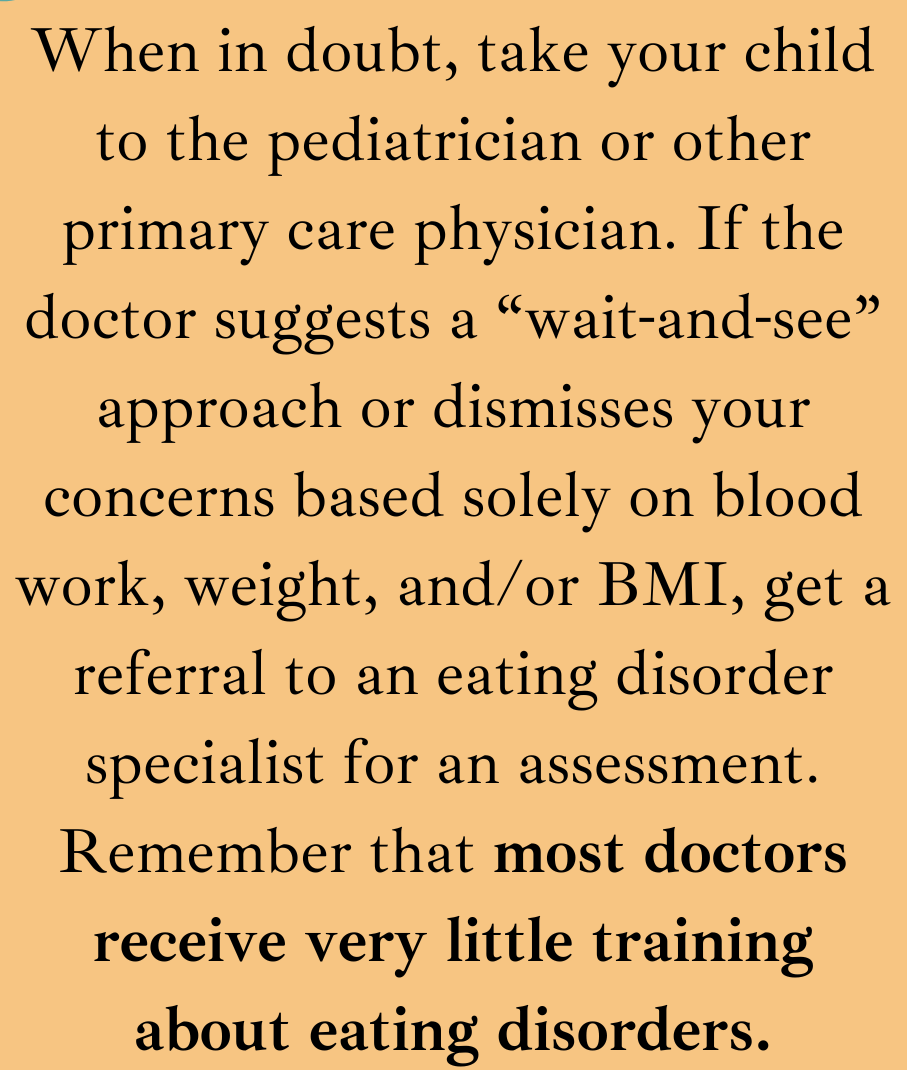
And it’s important for your child to be seen by a physician; keep in mind that not all doctors have adequate training in assessing for eating disorders, something I shared on social media earlier this week:
If you prefer more personalized support, I’m here for you. You can use my contact form to reach me. Or if you’re receiving the newsletter in your in-box, simply reply to this email.
This piece is focused primarily on anorexia, bulimia, and binge eating disorder. With the eating disorder ARFID, energy deficit may not play as much of a precipitating role but can still contribute to challenges with eating.
People can experience eating disorders across the lifespan. But we know the adolescent years are a particularly high-risk time. Parents of younger kids are wise to stay attuned to their child’s eating and growth, too. Eating disorder therapists are starting to see kids as young as 6 and 7 coming in for anorexia treatment (and, no, I’m not talking about the all-too-common cases of misdiagnosing ARFID as anorexia). And parents, remember that midlife is another vulnerable age for eating disorder onset and relapse.
Not everyone experiences stereotypical internal hunger cues to begin with. Lots of people rely on external supports in order to nourish themselves, even if they don’t have an eating disorder. Neurodivergence, medical conditions, and medications are all factors that may mean someone needs to eat “by the clock,” use some form of supplementation, and/or get mealtime support from a loved one.
While we’re on the topic of awareness, this is a good moment to point out that anorexia nervosa has two subtypes: AN-R (restricting) and AN-BP (binge-purge). And it’s not uncommon for someone to have either type of anorexia and later develop bulimia nervosa or binge eating disorder.
Thank you for reposting this-- I missed it the first time around. As a CEDS therapist and parent coach, I could not agree with you more! There are SO MANY paths to disordered eating and eating disorders, and not all of them have to do with a need for control. Sometimes, energy deficit can flip the switch. I love how you point out that we want to make such a scary illness have BIG meaning. Sometimes it does. Sometimes is was that dang switch!