
The most important thing you can do for your child's body image
Hint: It's not banning social media

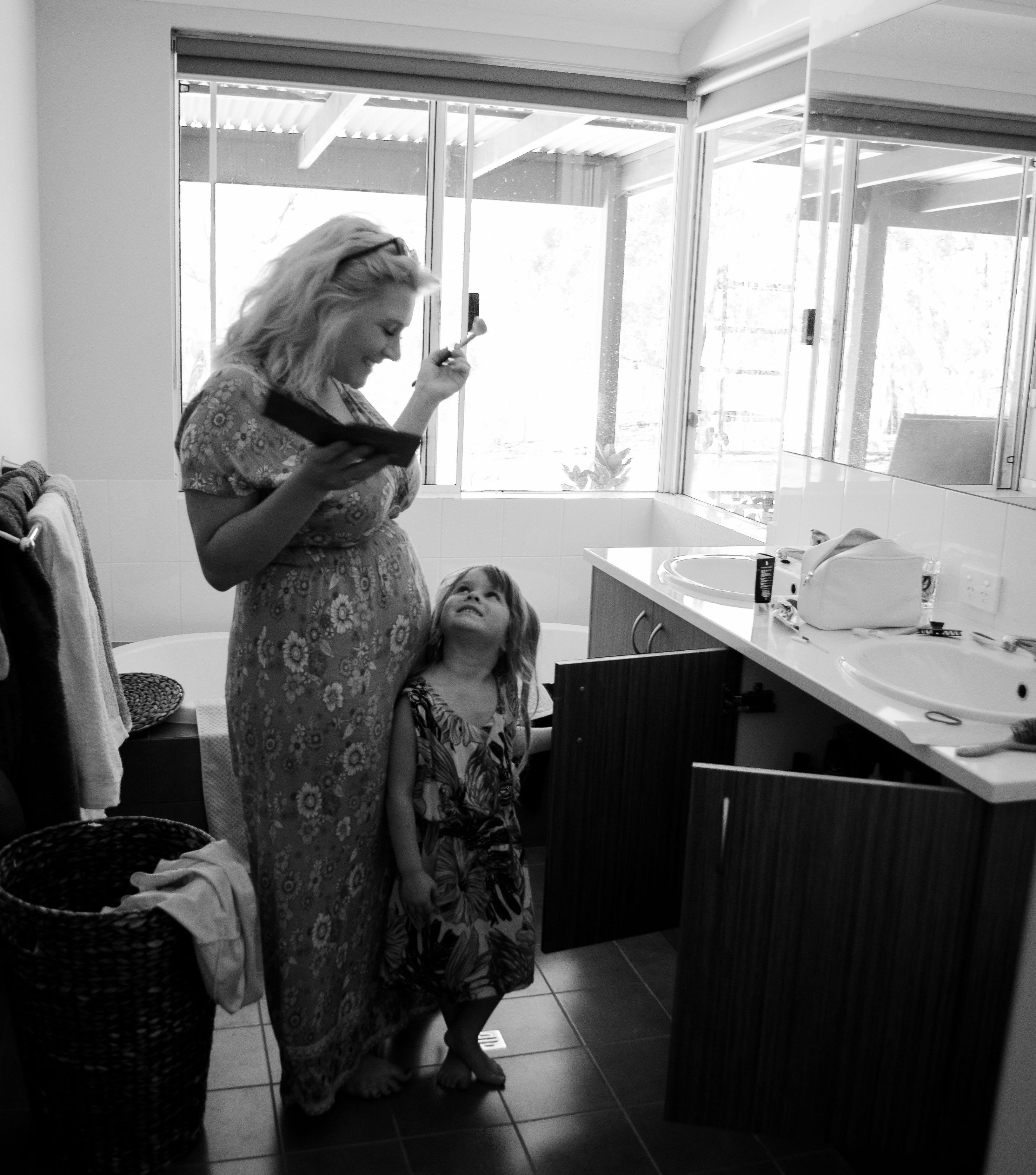
I bet you already have a sense of what it is. Maybe you’re hoping it’s something else, anything else.
Take a deep breath and try to be open to what you already know, deep down, to be true.
The single most powerful thing you can do to support your child’s body image?
Work on healing your own.
Would a big exhale feel good right about now?
Look, I’m not trying to let social media companies off the hook. There’s more they could and should be doing to protect young people. And of course we need to help our kids navigate the digital world safely. If that means strict tech limits in your household, don’t let me stop you.
But we’re fooling ourselves if we think cell phones and TikTok are the only source of body image distress.
The truth is that we are powerful influencers, too.
What we say still matters, especially because our words can shape beliefs and behaviors. But let’s not forget that our kids are always watching.
When it comes to having a positive body image, we can’t just talk about it; we need to be about it.
We can say all the “right” things, but if they don’t match our actions, our kids will notice. If we step on the scale, avoid getting in the photo, or feel guilty after eating, our children sense our unease.
We are their role models, their first and forever teachers. We are their guides for living in a culture eager to convince them they aren’t good enough and even more eager to sell them a “solution” to their supposed flaws.
If we share genetics with our child, they may already have a lot of our physical features. And people are probably telling them how much they look like us.
So if we’re complaining about our thighs and our kids have inherited a similar leg shape, what message are we sending, however unintentional?
Even if we don’t look like our kids or have any DNA in common, we’re still passing on all kinds of thought patterns and habits. Regardless of whether we have handed down a genetic blueprint, we’re providing a living, breathing guide for existing in diet culture.
It’s really hard to help our kids feel good in their own skin if we’re over here at war with our bodies.
How we relate to our bodies teaches our kids what really matters. Against the backdrop of unrealistic, unrelenting appearance pressures, the way we treat ourselves becomes the template for our kids.
How important is it to try to conform to beauty trends? How much kindness and care do their bodies deserve? They get those answers from us.
This isn’t about blaming parents. It’s about empowering them.
At a time of year when there’s more pressure than ever to try to shrink our bodies, I invite you to consider a different goal. More peace with your body. More acceptance. More true self-care rather than a (temporary) sense of control.
And if that feels really hard, you might draw some strength and motivation from knowing the powerful legacy you’re leaving your children.
Remember, we don’t have to love everything about our appearance in order to be a role model of healthy body image.
In fact, demonstrating the ability to respect our body, regardless of what it looks like, teaches the most impactful lesson: that a body is worthy and wonderful no matter the size, shape, or ability. That caring for the body isn’t conditional. That you can act lovingly toward your body without loving how it looks or functions.
The best kept secret in diet culture is that we can improve our body image without changing a thing about our bodies.
Remember that body image is an “inside job.” It goes much deeper than what we look like in a mirror. It’s also about the thoughts, feelings, and beliefs we have about our bodies—and how much value we place on our appearance.
When we stop treating our body like an object to be perfected and punished and instead invest in nurturing the relationship with our body—the longest relationship we’ll ever have, by the way—we boost our body image in ways an “after” photo never could.
Everyone deserves freedom and joy in their one-and-only body. If we want our kids to experience that, we have an important role to play. Diet culture isn’t going anywhere. But we’re right here, right now, showing our kids the way through.
You might also like:
Five ways to boost your body image

A dear friend of mine recently shared some new struggles with negative body image.

Dads affect kids' body image, too

There are huge structural forces that have led to a gender divide for many hetero couples/co-parents when it comes to feeding kids and attending to their body image. I won’t try to unpack those underlying social factors here.